There are moments in the evolution of cities when geography ceases to be merely physical and becomes ideological. Over the last decade, Miami has undergone such a transformation — not loudly, nor abruptly, but through the quiet and deliberate migration of global influence.
Real Estate · Editorial by Luster Magazine
The Architecture of Permanence: How The St. Regis Residences Redefine Miami’s Global Capital Landscape
By Daniel Gutiérrez Vásquez · May 22, 2026
For generations, wealth moved according to a fixed international constellation. New York embodied financial force. London represented institutional heritage. Geneva offered discretion. Monaco perfected the theater of leisure and dynastic luxury. Yet a new form of capital has emerged — more fluid, sovereign, and emotionally intelligent — and with it, a new global center of gravity.
Miami is no longer perceived as a seasonal escape or speculative coastal market. It has become an operational headquarters for modern international living: a city where private capital, cultural sophistication, wellness, taxation, mobility, and lifestyle architecture converge into a singular ecosystem.
The contemporary investor no longer evaluates a city solely through returns or skyline density. They evaluate infrastructure of life itself — proximity to wellness, access to global networks, architectural permanence, privacy, climate, and the ability to move between commerce and restoration without friction.
In this new geography of sovereign wealth, ultra-prime residences are no longer secondary assets. They have become strategic anchors — physical environments designed to preserve not only capital, but clarity, rhythm, and longevity.
It is within this redefined landscape that Sunny Isles Beach quietly asserts itself as one of the most compelling coastal enclaves in the world.
Positioned between the cultural sophistication of the Miami Design District and the refined discretion of Bal Harbour, Sunny Isles offers something increasingly rare within global luxury markets: uninterrupted oceanfront living combined with true spatial privacy.
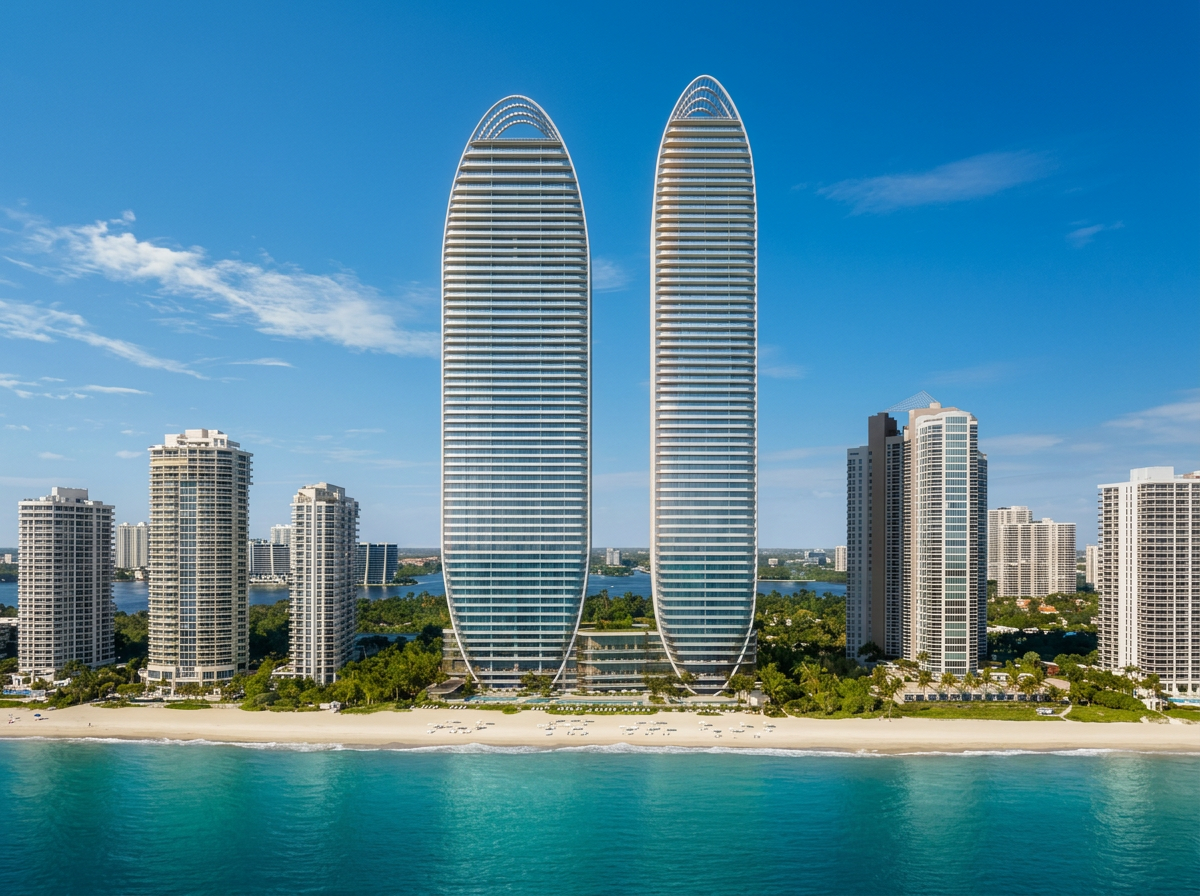
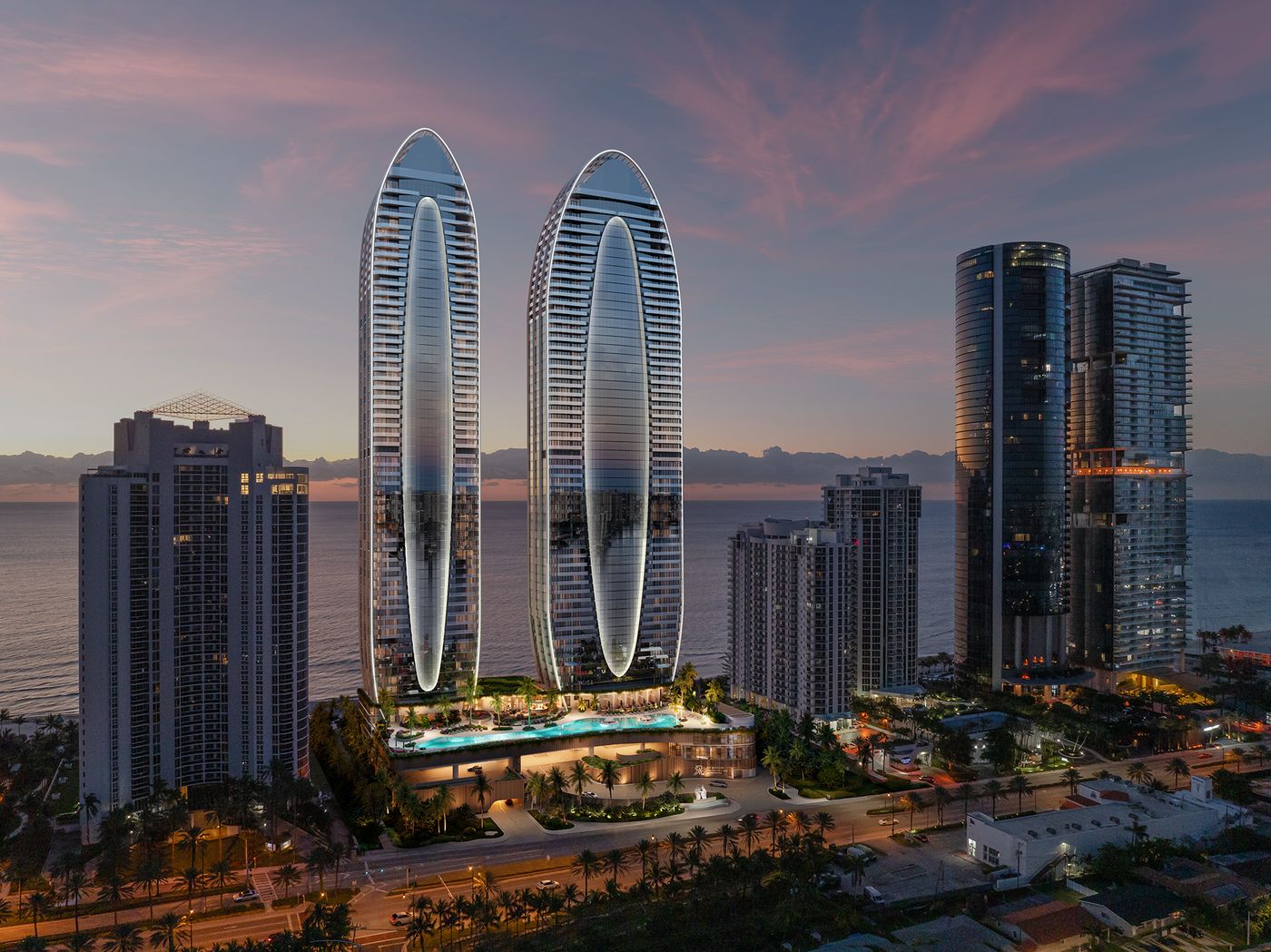
Along 435 linear feet of pristine Atlantic shoreline rises The St. Regis Residences, Sunny Isles Beach — a development that transcends conventional residential positioning and instead operates as a form of long-term architectural infrastructure for global living.
The North Tower, in particular, represents a decisive evolution in branded residences. In an era increasingly defined by density, transient hospitality, and operational noise, the project proposes something profoundly more refined: a purely residential sanctuary entirely independent from hotel circulation. No transience. No performative excess. Only permanence, discretion, and calibrated living.
Its significance lies not merely in location, but in scarcity. Pure oceanfront land of this scale has become nearly impossible to replicate across South Florida. Combined with the institutional legacy of the St. Regis name — a century-old symbol of cultivated hospitality and intergenerational trust — the project establishes itself as both lifestyle refuge and enduring asset class.
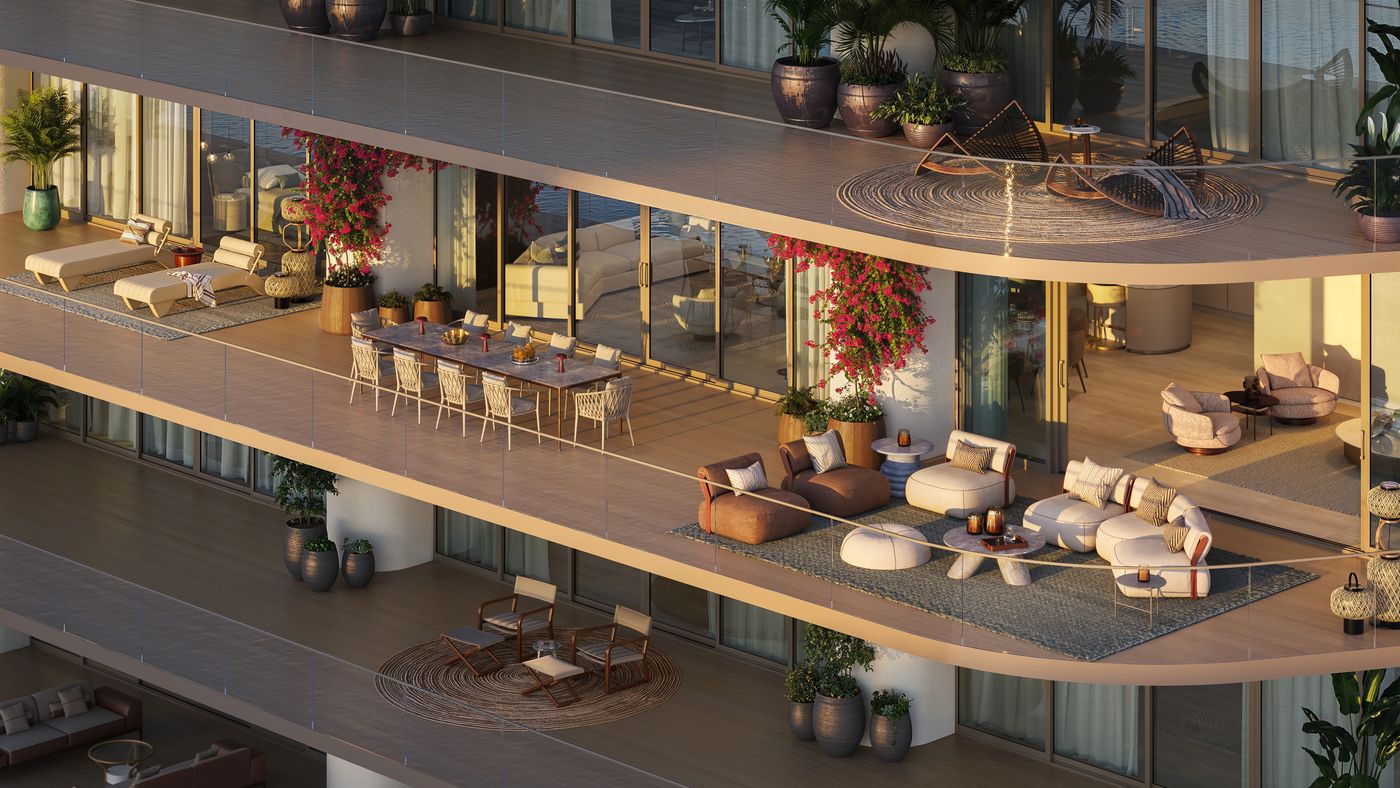
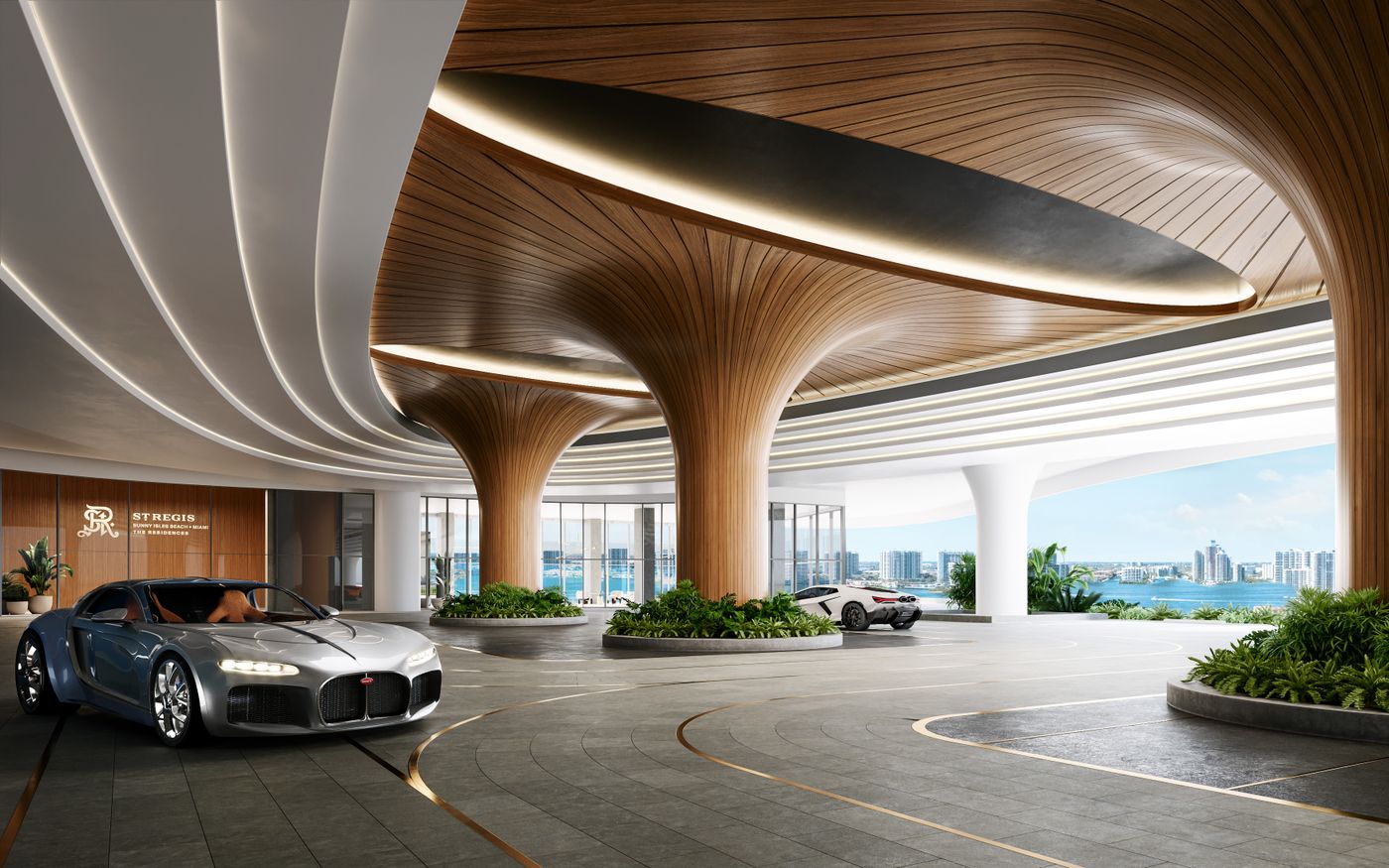
Designed by Arquitectonica, the architecture abandons the rigidity typical of contemporary vertical development in favor of fluid geometry inspired by the movement of private yachts against the horizon. The sculptural elliptical form is not aesthetic theater; it is environmental intelligence. The towers negotiate light, wind, solar orientation, and ocean exposure with extraordinary precision, ensuring uninterrupted panoramic perspectives from every residence.
Inside, the experience is governed by what might be called the luxury of subtraction.
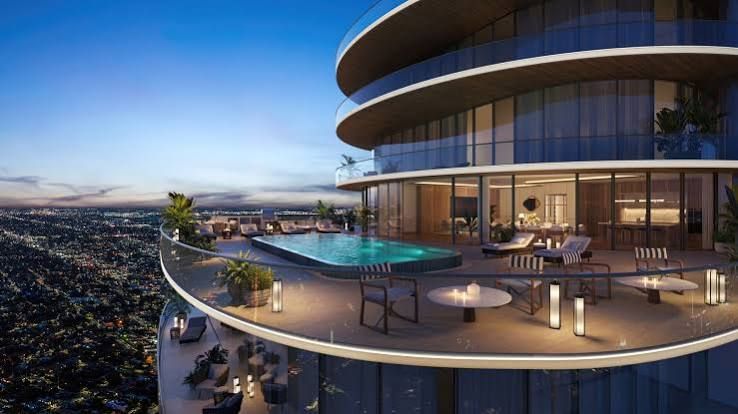
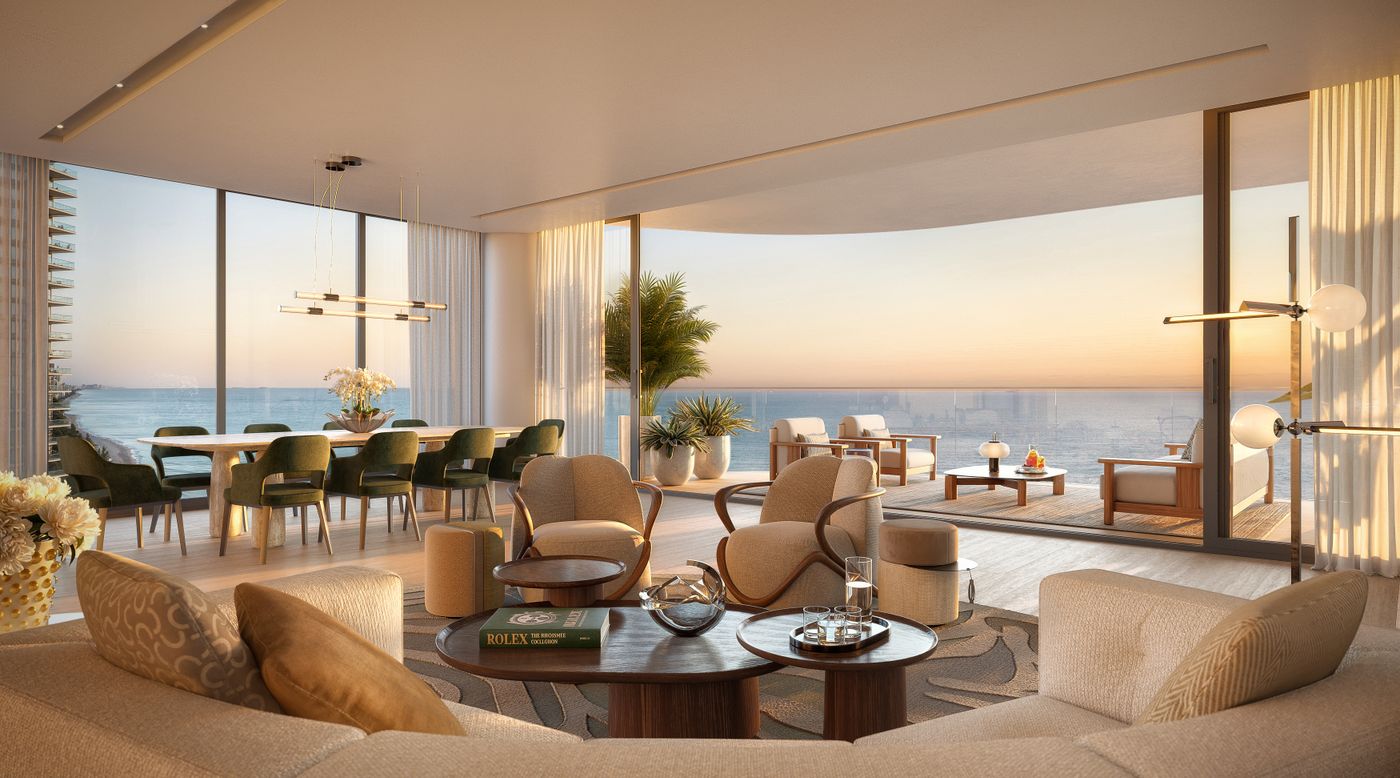
Ceilings rising between ten and twelve feet, private elevator vestibules, expansive terraces, and secondary outdoor pools create residences that feel less like apartments and more like suspended private estates above the Atlantic. Spatially, everything is designed to eliminate friction — visual, emotional, and operational.
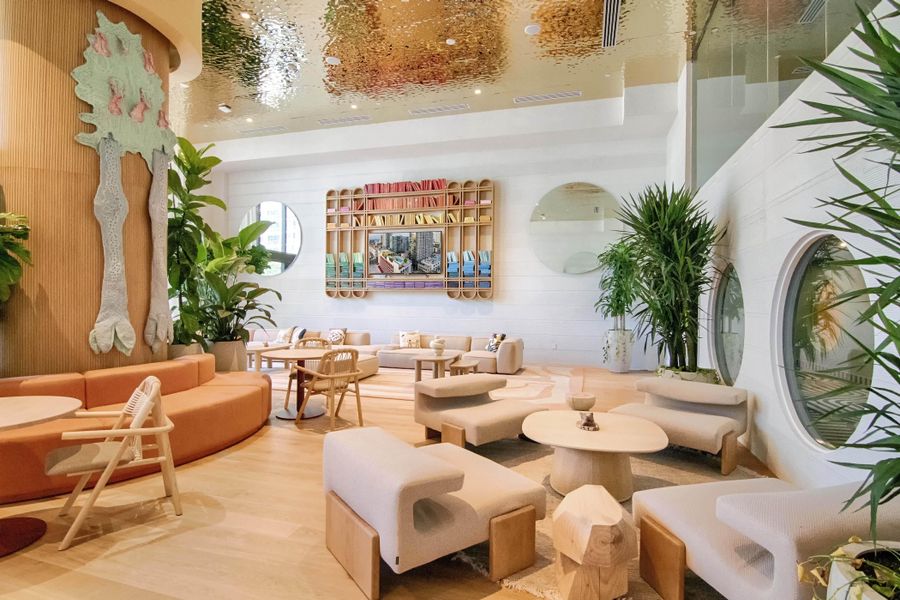
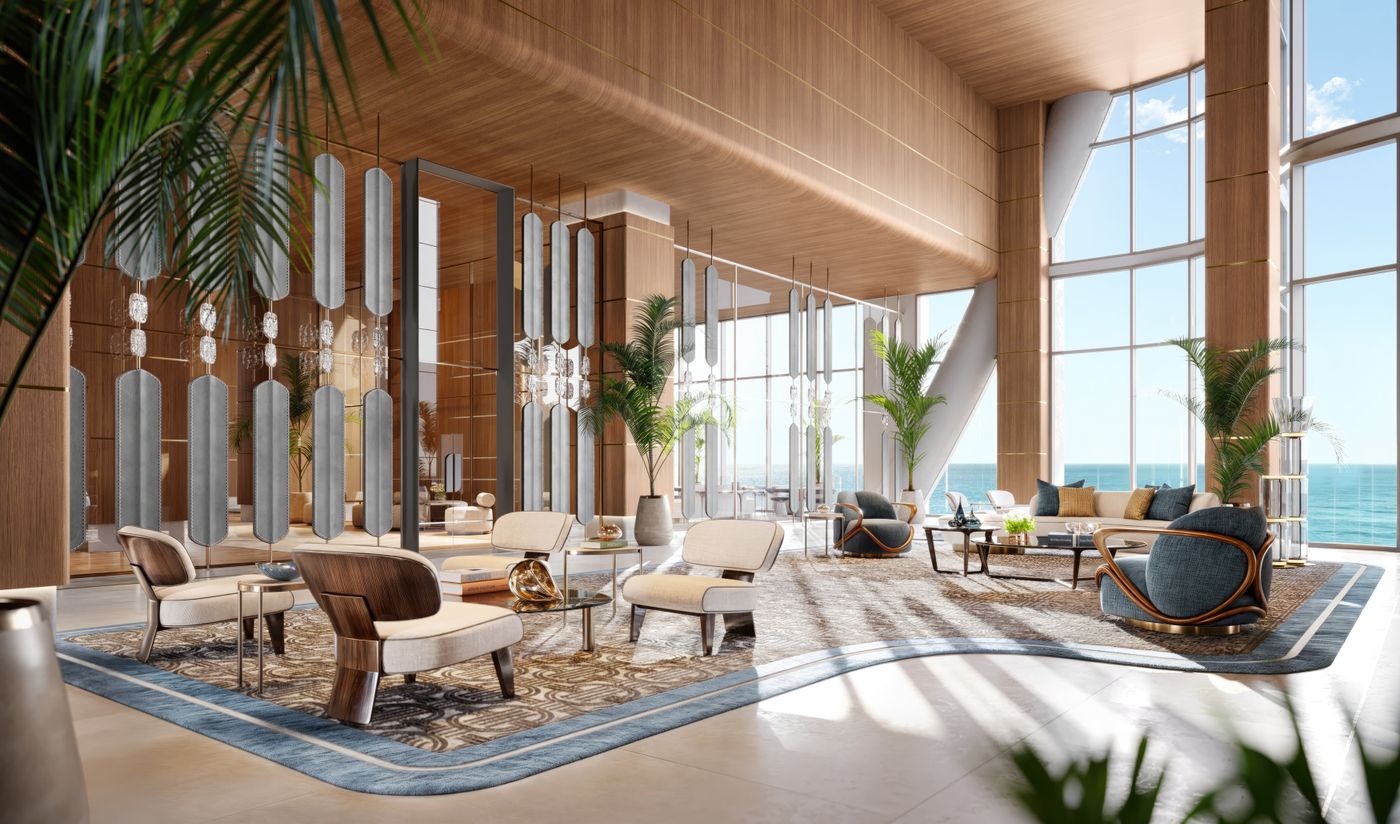
The interiors, curated by celebrated Brazilian designer Patricia Anastassiadis, balance tactile warmth with architectural restraint. Rare woods, hand-finished bronze detailing, and sculptural Italian stone create spaces that feel deeply grounded and emotionally quiet — environments conceived not for spectacle, but for restoration.
Yet the true sophistication of The St. Regis Residences, Sunny Isles Beach extends beyond the residences themselves.
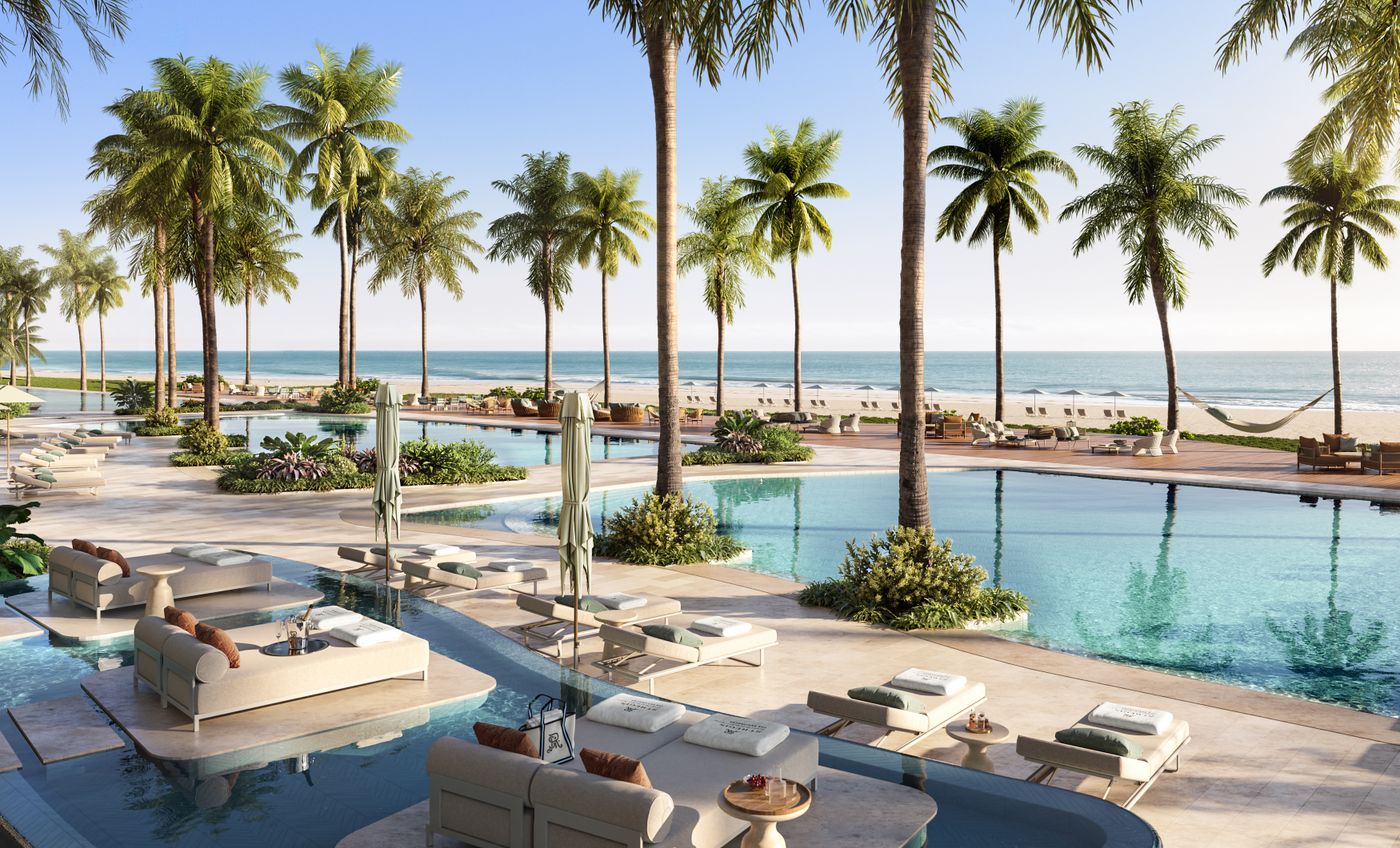
The project introduces more than 70,000 square feet of curated private amenities that function less as recreational additions and more as a fully integrated ecosystem for modern longevity. Landscape architect Enzo Enea choreographs native vegetation, sculptural stone, and layered pathways into an experience that dissolves the boundary between tropical landscape and private retreat.
At the center of this ecosystem is a multi-level wellness infrastructure designed around biological optimization rather than performative luxury: vitality pools, thermal circuits, elite fitness environments, spa suites, recovery therapies, and restorative spaces calibrated for modern longevity.
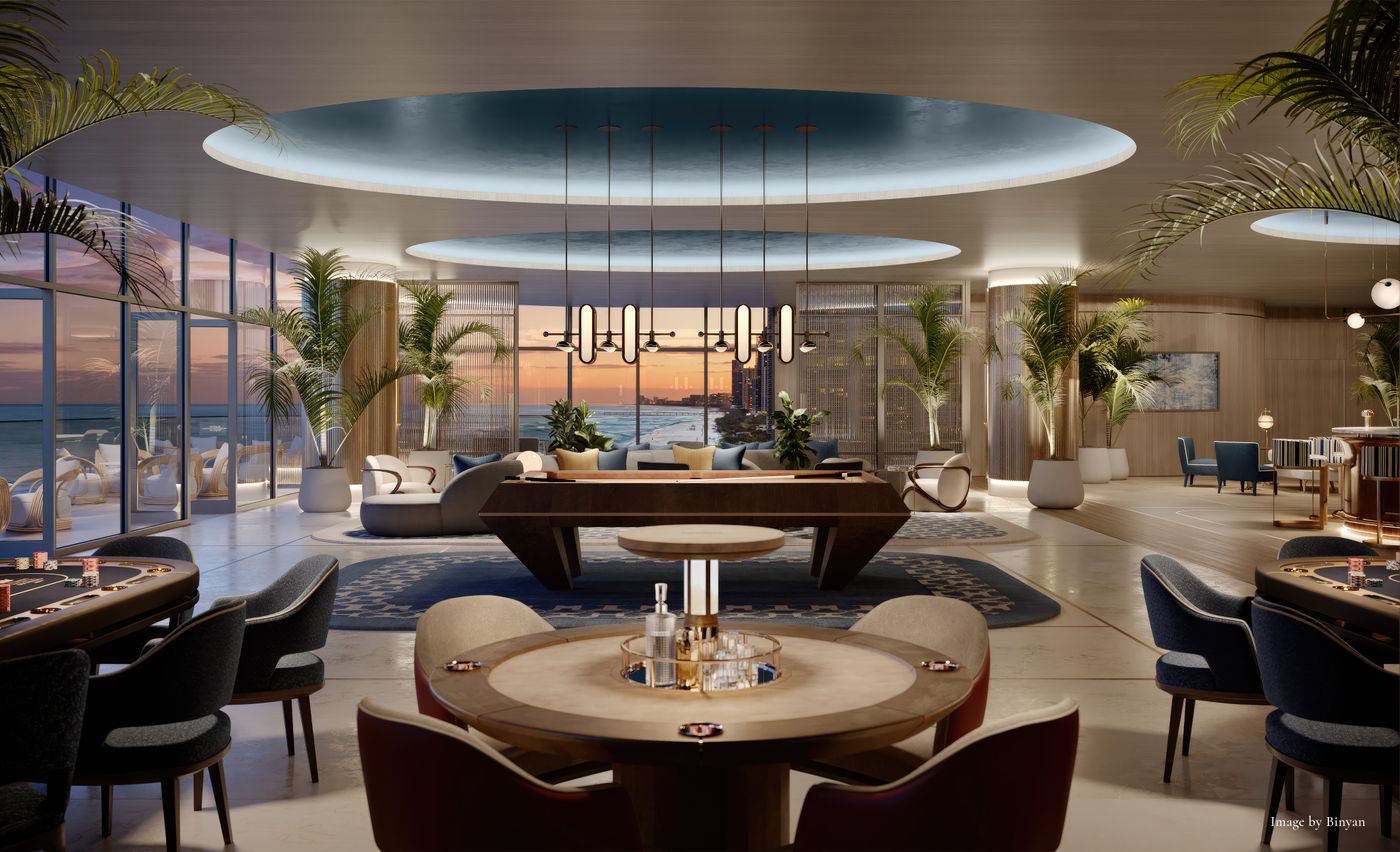
Elsewhere, the Ellipse Club introduces a quieter form of social sophistication — private cognac rooms, temperature-controlled wine vaults, cigar lounges, and the John Jacob Astor Boardroom, conceived for intimate gatherings, private conversations, and strategic exchange.
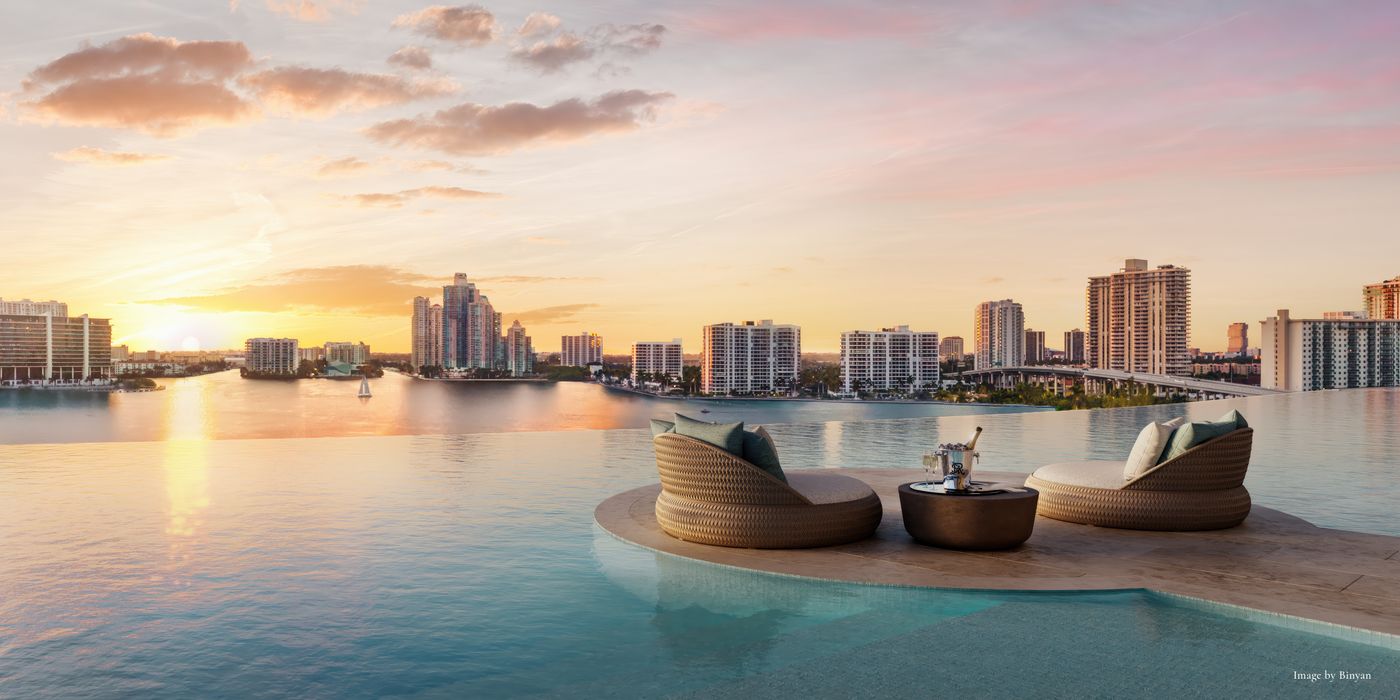
Above the city, the Cityscape deck frames Miami’s skyline through infinity-edge pools, sunken lounges, and private dining environments where architecture becomes inseparable from atmosphere.
Every detail — from guest suites managed under St. Regis hospitality standards to the discreet operational choreography behind daily life — is designed around a singular contemporary aspiration: the preservation of time.
Because ultimately, the new generation of global wealth is not searching for excess.
It is searching for environments capable of protecting presence.
In an age defined by hyper-connectivity, overstimulation, and accelerated urban density, The St. Regis Residences, Sunny Isles Beach emerges not simply as a residential development, but as a philosophy of living — one rooted in stillness, precision, permanence, and emotional clarity.
A place where architecture ceases to function as commodity and instead becomes sanctuary.
⸻
The Quiet Geometry of Wealth
True luxury today is no longer measured by accumulation, but by calibration.
By silence.
By proportion.
By light.
By the ability to inhabit spaces that remove friction from the mind and restore rhythm to daily life.
The most valuable residences in the world are no longer simply places to live. They are infrastructures for clarity — environments where architecture, wellness, privacy, and cultural intelligence coexist in perfect restraint.
This is the new language of global luxury.
And Miami, quietly, has become its capital.
Courtesy of The St. Regis Residences, Sunny Isles Beach · Editor: José Hernández · Courtesy of The St. Regis Residences, Sunny Isles Beach
Originally published in Luster Magazine.